AI nutrition tracker
Sila
Log a meal by voice, text or photo — and correct it in plain language. A hybrid model-routing layer cut the AI cost per entry many times over without losing accuracy.
- Role
- Product, design and build — end to end, with AI
- Made with
- Built with Claude and Lovable
01Context
Sila was built around the way people actually talk about food: say it, photograph it, then amend it — "I didn't finish the bread" — and the entry updates itself.
02The problem
Nutrition apps fail on friction. Typing every ingredient is work, and every correction means starting the entry again.
03What was built
- 01Meal logging by voice, free text or photo.
- 02Natural-language corrections applied to an existing entry, not a new one.
- 03Leftover subtraction from a second photo of the plate.
- 04A personal food memory: the user's own recurring dishes are recognised and reused.
- 0514 interface languages.
- 06Hybrid AI model routing — cheap models handle the common path, stronger models are called only where accuracy demands it.
- 07Credit-based pricing so cost per user tracks actual usage.
04Automation
How the flow runs — input, AI, the human decision point, and what comes out.
05Stack
- Claude
- Lovable
- Multimodal LLMs (vision + speech)
- Model routing layer
- React / TypeScript
- Postgres
- Credit billing
06Numbers
- Interface languages
- 14
- AI cost per entry
- Reduced many times over via model routing
- Exact cost reduction
- [add ×]
- Entry accuracy
- [add %]
- Active users
- [add number]
Editable placeholder
Editable placeholder
Editable placeholder
07Screens
From the live app.
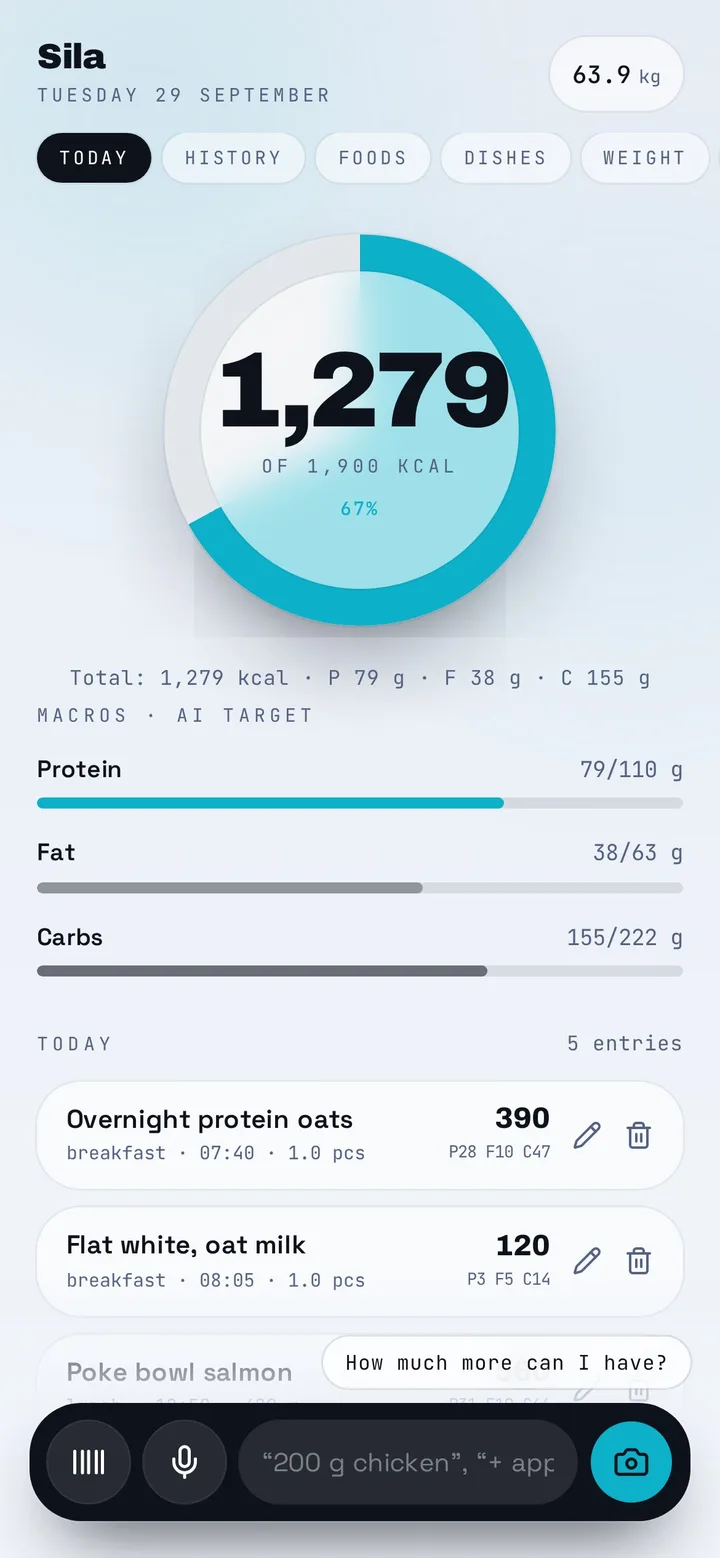
Today: one ring, the whole day
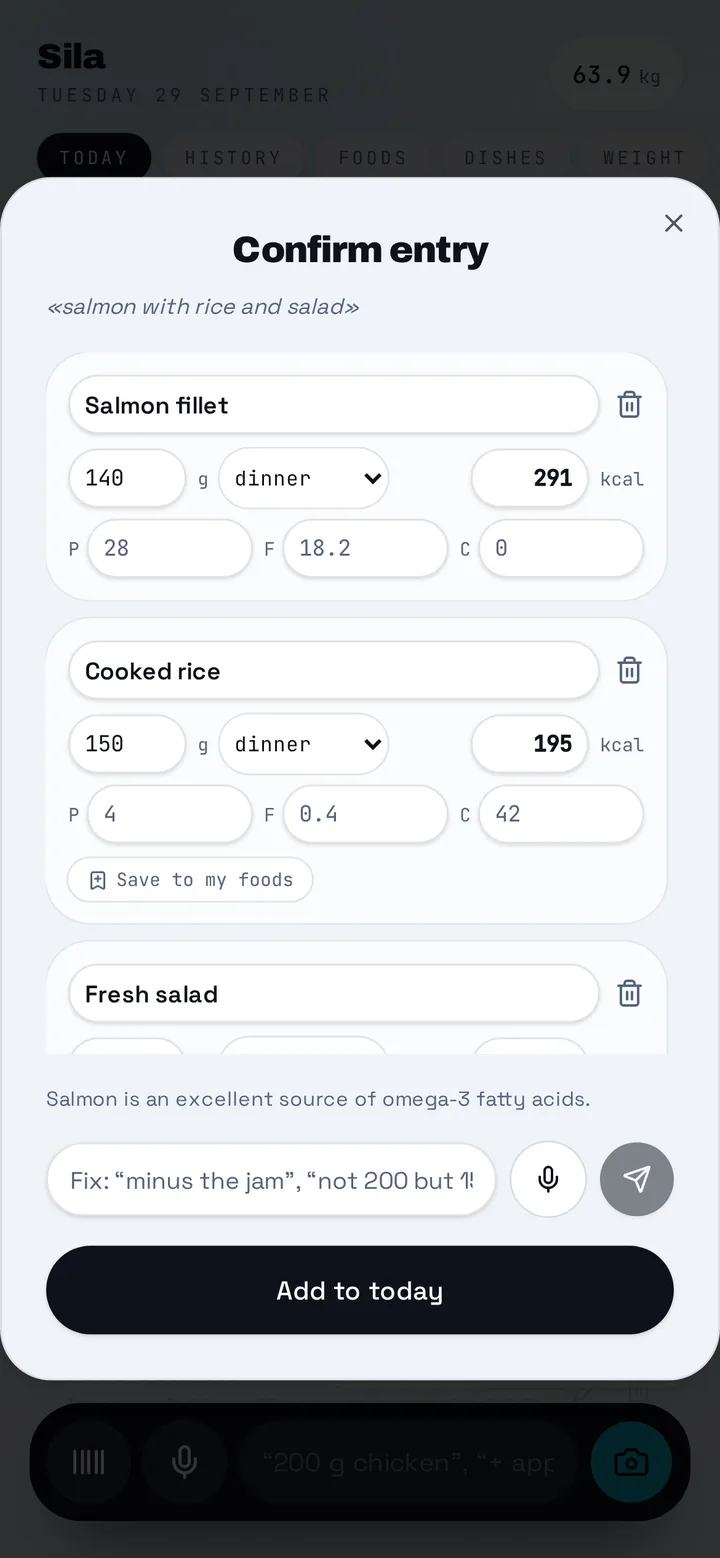
Say it, check it, save it
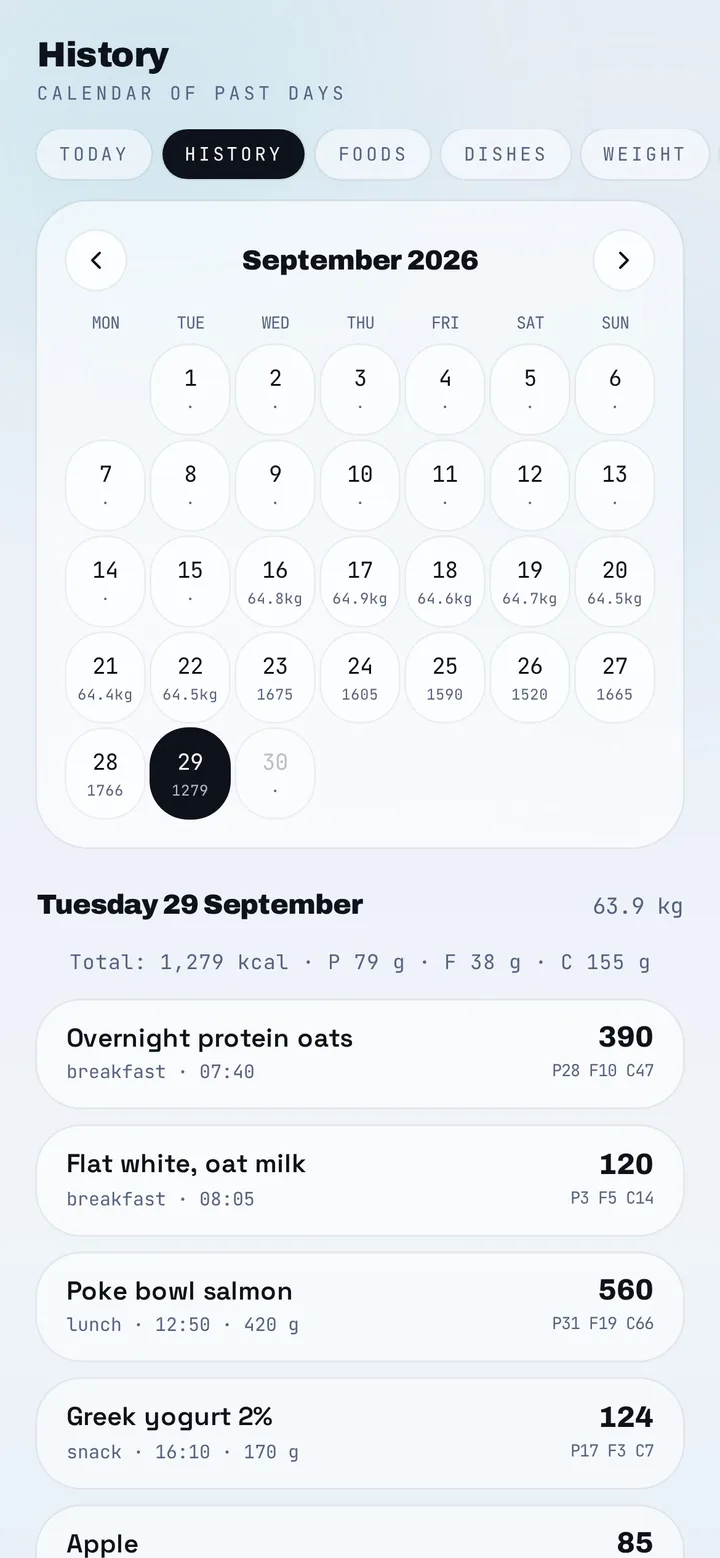
History: every day, at a glance
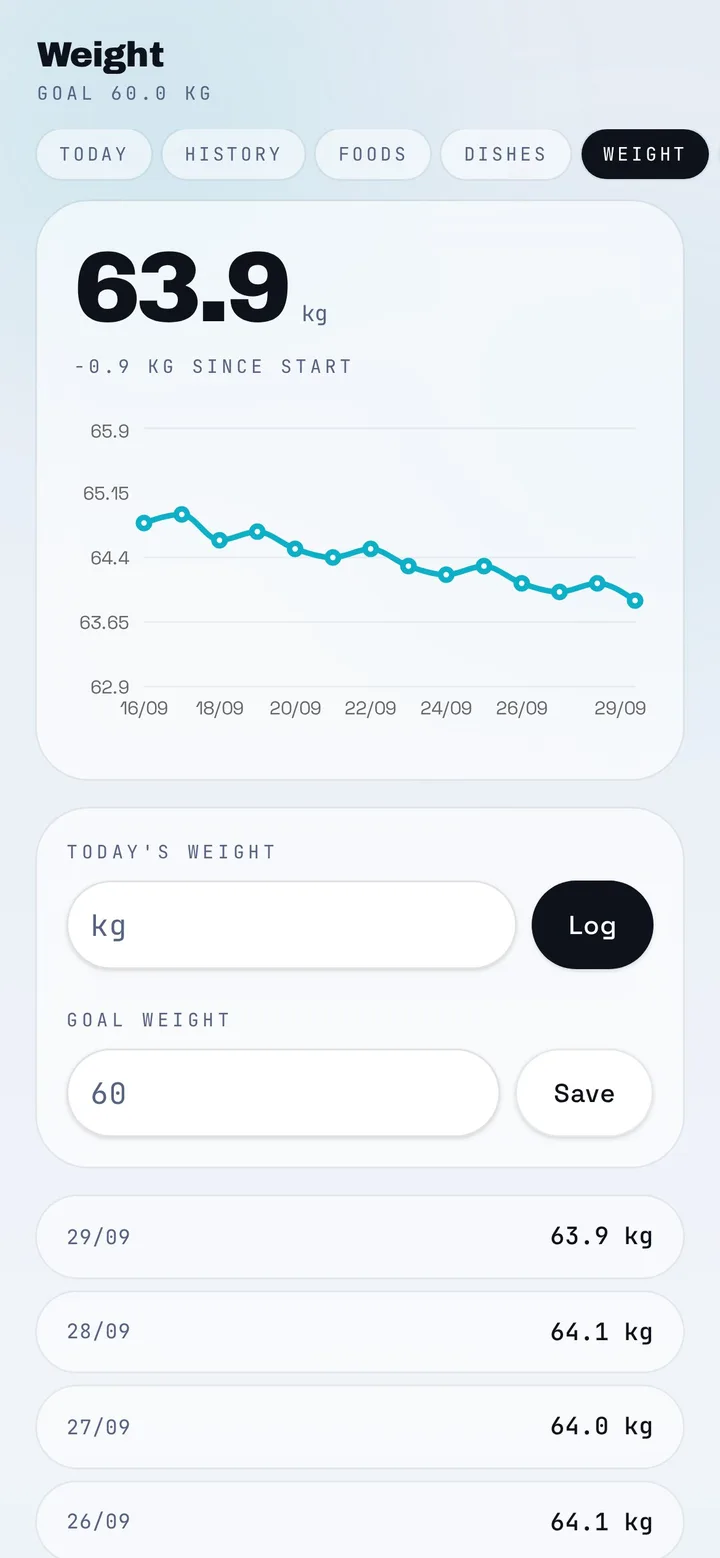
Weight: the trend, not the noise
Want this kind of result in your team?
I teach teams to build on their own work the way I built Sila. Start with a free call.
20–30 minutes · No commitment · Get a reply within 24 hours